
Joy Beats Discipline
The case for inefficiency, experimentation, and actually enjoying your life

I’ve always been the type of person who wanted to optimize everything from the start. My mindset for a long time was dedicated to finding the shortest and most straightforward way to achieve whatever goal I set out as fast as possible. In order to do this, I always tried to skip the basics and went straight to the resources that could get me to where I wanted the fastest. If I was playing a game, I would simply research the most optimal way of playing it. I’d watch some YouTube videos on strategy, tips and tricks, and how-to’s before actually playing it. This even spanned out to board games with my friends. My desire to “win” would justify all of the means for getting there. This desire to win reveals itself most obviously with games or any form of competition. But it’s also something that I found applied to every single thing in my life. The want for being not just better, but better than others, infested all of my hobbies and pursuits.
When I started working out, all of my research went into how to get stronger and more muscular faster than others did. Safety wasn’t a big concern. Enjoyment wasn’t even a factor. At the same time, I began to view food as fuel, simply something that would get me closer to my goals, which led me to the creation of the worst protein shakes in human history.
My passion for reading and the enjoyment I got out of it wasn’t enough. I needed to figure out how to consume books faster and read more than everyone else was reading. I started learning how to speed read. Improving the amount of words I could read per minute was now the focus of my reading “sessions.” The book hardly mattered.
This pattern showed up in everything I did or wanted. The baseline metric that I used was always how I fared in comparison to others. If I didn’t wildly surpass the average, then I would just be another sucker going about things the “normal” way. The fear of being average and an internet culture that glorified productivity combined to create a mindset that would never make it possible for me to enjoy new things.
Looking back, I find it wild how I managed to keep up this way for such a long time and even wilder how I was completely clueless to what the big problem in my life actually was.
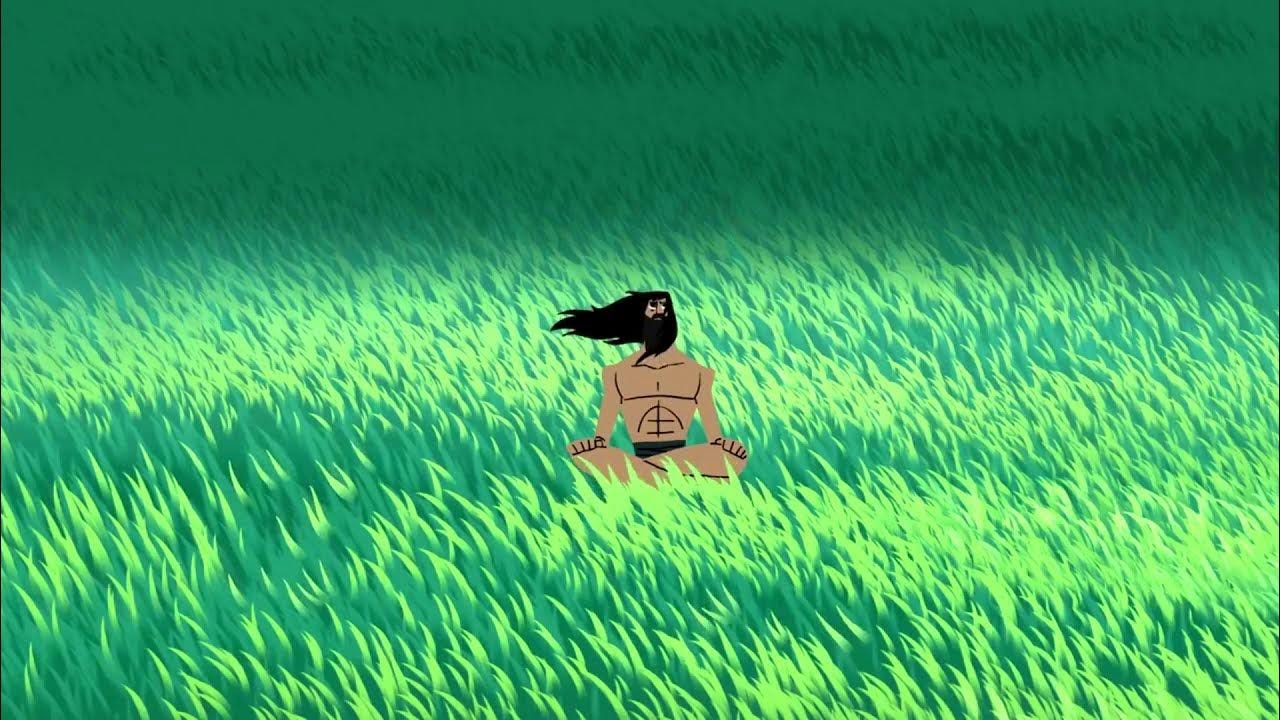
Joy matters
I wasn’t really able to be consistent with anything. I would go all in for a week or two and then eventually abandon whatever project or habit I had started and try to start a new one. The answer was always in a future thing I just hadn’t found yet.
It turns out that when you don’t actually enjoy the process of what you are doing, it’s almost impossible to keep doing it for a long time. Because I had downgraded the joy and pleasure that should come from activities to an afterthought, I never even considered them as a factor in my ability to keep doing things. But one thing refused to fit this pattern. Ironically, one of the hobbies where I most applied this comparison mindset.
The gym, more specifically the sport of powerlifting, where you compete with others on 3 lifts (squat, bench press, and deadlift). Despite all of my efforts to make my training as boring and efficient as possible to get me to lift more weight on these exercises, I still loved my workouts. At the start of each day upon waking up, the first thought that popped into my mind was what my workout would be today and what my heaviest set would be. I’d spend my time daydreaming about it until the moment came. It was one of my first experiences being obsessed with something that I considered healthy and that made me grow as a person, finding a community of like-minded people and progressing at something in the “real world”. Before that, I had simply been obsessed with video games, which made me more sedentary and isolated from the world.
Whatever hobbies or self-help projects I tried to implement that I would eventually give up on, working out was the constant, and the thing that I never missed out on. After 10 years of stepping foot inside a gym, I still haven’t given up on it, not because I figured out a unique method or because I developed hardcore willpower and discipline. The difference was simple: I actually enjoyed it. Not the results or beating others but the process itself.
The pleasure of being inefficient
This realization is why I’m now trying to completely invert the way I naturally try to go about things. Instead of trying to optimize for efficiency, the goal is now to figure out the way to experience maximum joy from whatever task, skill, or hobby I want to implement. This often means purposefully making things inefficient. Learning through self-experimentation, and consulting my intuition on the way to move forward. This may be a slower process in terms of improvement, but at the same time, it’s the only way to endure long enough and be consistent.
I now read the books that spark curiosity in me and not ones that are “useful” without caring about the speed that I read them at. The result is that I’m reading more than I’ve ever read in the past.
The “efficient mindset” comes as a default for me, but I’m sure that living and growing up in the age of self-help exacerbated it, and as such, I’m sure a lot of you have also struggled with something similar. If you find yourself unable to remain consistent with most things, then it might just be because you don’t actually enjoy doing them, and are fighting an uphill battle with yourself. There is no harm in taking a step back and asking a couple of questions:
How can I make this more enjoyable?
If I can’t make it more enjoyable, what prevents me from doing something else?
There is often an easier than you would expect answer to these, and if you are willing to follow it, then you’ll be on track for a life with more joy in it.
Tiago Hoshi,
Paths of Meaning